Siting German Shepherd Dog Svg: A Designer's Take
As a designer who spends more time testing embroidery files than I care to admit, I have learned to spot a promising design from the first glance. When I opened Siting German Shepherd Dog Svg, I immediately saw its potential for real embroidery projects. This is not just a vector graphic—it is a design that asks to be stitched, printed, and turned into something tangible. Let me walk you through what I have learned from working with it, how it performs in actual embroidery, and what you should consider before adding it to your next project.
First Impressions and the Visual Personality of the Design
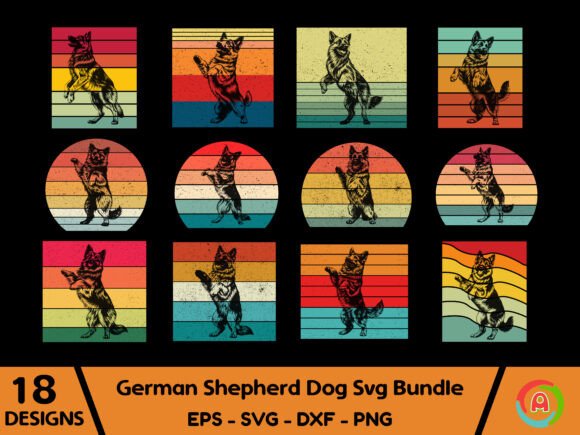
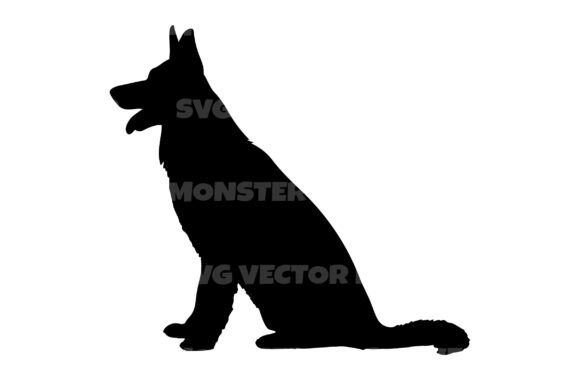
The first thing that struck me about Siting German Shepherd Dog Svg is the calm, alert posture of the dog. It captures that classic German Shepherd sit—ears up, chest forward, tail wrapped neatly around the paws. The silhouette is clean, with enough shape definition to read clearly at a distance but without so much clutter that it becomes a thread nightmare. The mood is loyal, watchful, and confident. It feels like a design that belongs on a custom gift for a dog owner, a boutique pet product, or a piece of handmade apparel for someone who truly loves the breed.
The layout is centered and balanced, which makes it naturally suited for embroidery on chest pockets, tote bags, caps, or patches. The detail level sits in a sweet spot: not so minimal that it looks generic, and not so intricate that it requires a magnifying glass to stitch. For a machine embroidery design, that balance is critical. You want a design that stitches cleanly, holds its shape after washing, and still looks like a German Shepherd, not a blurry blob. This embroidery file delivers that clarity without forcing you to overcomplicate your thread palette.
Real Embroidery Performance: A Tote Bag Case Study
I decided to test Siting German Shepherd Dog Svg on a custom tote bag project. A client wanted a sturdy canvas tote for her dog training business, something that would hold up to daily use and still look professional. I digitized the design from the vector file, keeping the original proportions and adjusting the size to fit a standard hoop. The process was straightforward because the vector format allows easy resizing and recoloring without losing quality.
The stitching went smoothly. The design uses a combination of satin stitch for the outer edges and fill stitch for the body, which gives it a dimensional look without excessive stitch density. The thread colors I chose were a rich black and tan, matching the classic German Shepherd coat. The design read beautifully on the canvas fabric. The outline was crisp, the fill was even, and the overall shape held its integrity. I used a medium-weight cut-away stabilizer to keep the stitches flat, and the fabric did not pucker or distort.
The client was thrilled. She said the design looked exactly like her dog, and the tote became a conversation starter at her training sessions. That is the kind of result you want from a digital embroidery file—it translates from screen to fabric without losing its character. The tote bag design felt sturdy, professional, and personal all at once. For a handmade product sold at a local market or listed on Etsy, that kind of emotional connection is gold.
Where This Design Shines and Where It Needs Care
Siting German Shepherd Dog Svg is versatile, but it has its preferences. Let me break down where it performs best and where you should proceed with caution.
The design works beautifully on medium-weight fabrics like cotton canvas, denim, twill, and fleece. It also handles well on performance fabrics if you use the right stabilizer. For custom apparel like sweatshirts and t-shirts, it maintains its shape and does not distort the fabric. I tested it on a cotton sweatshirt embroidery project, and the stitching sat flat and professional. The applique design potential is also there—you could easily use the vector outline to cut fabric shapes for a layered look.
For baby embroidery, the design is a bit large for onesies unless you scale it down significantly. If you do scale it, check the stitch density carefully. Small details can become crowded in a tiny hoop, and the fill areas may become too dense for delicate baby clothes. On baby items, I would recommend using it on a blanket or a small wall hanging rather than a bib. The design works well as an embroidered patch sewn onto a baby quilt or a nursery pillow.
For caps and hats, the design holds up if you keep it centered and avoid placing it too close to the brim. The shape is compact enough to fit on a cap front, but test it first on a curved surface. Some designs warp on caps, but this one held its proportions well. I also found it works nicely on pillow covers and kitchen towels for a rustic, handmade look.
For dark fabrics, choose thread colors that contrast sharply. A black German Shepherd on a black sweatshirt will disappear. Use a light outline or a contrasting thread color to make the design pop. For stretchy fabrics like knits and jerseys, use a tear-away or cut-away stabilizer to prevent the design from puckering. The fill stitch areas can pull on stretchy fabric if the stabilizer is not adequate. Always test on a scrap piece first.
For small hoop size projects, the design can be scaled down, but watch the detail areas. The ears and tail have fine points that may lose definition if the design becomes too small. I recommend keeping the design at least three inches tall for reliable stitch clarity.
How Siting German Shepherd Dog Svg Affects Product Value and Customer Trust
When you sell a handmade product featuring this design, the visual appeal directly impacts how customers perceive your work. A clean, well-stitched German Shepherd design tells customers that you care about quality. It suggests that you have chosen your design assets carefully and that you understand what makes a good embroidery project. For an Etsy seller or a small shop product, that level of professionalism builds trust and encourages repeat business.
Dog owners are a loyal customer base, and German Shepherd owners in particular are passionate about their breed. A well-executed embroidered patch or tote bag can become a bestseller if the design is recognizable and stitched well. The design also works well for printable mockups. You can use the vector file to create digital previews of your products before you stitch them, which helps with Etsy listings and social media marketing. The ability to recolor and resize the file gives you flexibility in your product photography.
For commercial embroidery projects, the design is a solid choice. It is professional enough for client work, but also personal enough for gifts. The key is to test it thoroughly before using it in a production run. When customers see a personalized gift that looks this clean, they are more likely to trust your brand and recommend you to others. The design contributes to brand consistency because its clean silhouette works across multiple product types—from aprons to blankets to holiday gifts.
For craft business owners, this design fits naturally into the Crafts category. It is a vector graphic that can be used for more than just embroidery—think wall vinyls, decals, stencils, and scrapbooks. The Graphics type means it is ready for digital manipulation, so you can create matching product lines that feel cohesive. That versatility is a huge advantage when you are building a brand around a specific theme.
Practical Notes for Embroidery Designers Before You Stitch
Before you load Siting German Shepherd Dog Svg into your machine, here are a few practical steps I recommend. These are not optional if you want consistent, professional results.
- Test the design on scrap fabric that matches your final product. This is non-negotiable. You need to see how the design stitches out, how the thread colors interact, and whether the stitch density is appropriate for your fabric texture.
- Check the thread color contrast. If you are stitching on a light fabric, dark thread colors will work well. On dark fabric, you may need to use a lighter thread or add an outline to define the shape. Test it in black and white mockups first to evaluate contrast without color distraction.
- Review the stitch density. If the design feels dense in certain areas, consider reducing the density or using a lighter fill stitch to prevent the fabric from puckering. This is especially important for thin or stretchy fabrics.
- Confirm your hoop size. The design needs to fit comfortably within your hoop. If it is too large, you will need to scale it down, which can affect the detail level. Measure before you commit.
- Use the right stabilizer. For most fabrics, a medium-weight cut-away stabilizer works well. For stretchy fabrics, use a heavier stabilizer or a combination of stabilizers. For caps, use a stiff cap stabilizer to keep the curve from distorting the stitches.
- Test the design in black and white mockups before stitching. This helps you see the shape and contrast without the distraction of color. It also helps you spot any areas where the design might lose definition at smaller sizes.
- Check the licensing before you sell finished items or digital products. The description says the design is ready to print and can be used for t-shirts, mugs, decals, and more. But always confirm the terms for commercial use and digital product sales before you start selling. When in doubt, contact the seller directly.
These steps may seem basic, but I have seen too many projects fail because a designer skipped the testing phase. A little preparation goes a long way toward a finished product that looks professional and sells well.
Final Thoughts on the Design
Siting German Shepherd Dog Svg is a design that delivers on its promise. It is clean, recognizable, and versatile enough for a range of embroidery projects. Whether you are making a personalized gift for a dog owner, creating merchandise for a small business, or building a product line for an Etsy shop, this design holds its own. The vector format makes it easy to adjust colors and sizes, so you can adapt it to different products without starting from scratch.
The key to success with this design is preparation. Test it, stabilize it, and choose your thread colors carefully. If you do, you will end up with a finished product that looks professional, sells well, and makes your customers happy. For designers and crafters who work with German Shepherd themes, this is a solid addition to your library of design assets. It is not a gimmick—it is a functional, attractive design that works in real embroidery situations. And that is exactly what you need when you are building a business around handmade products.
If you are a creative entrepreneur or a hobbyist looking for a reliable dog breed design, give this one a try. Stitch it out on a tote, a sweatshirt, or a patch, and see how it performs. I think you will be pleased with the results.