Lowchen Dog SVG Bundle: A Designer's Honest Take
When I first opened the Lowchen Dog SVG Bundle, I was curious how a breed-specific design would translate into real embroidery work. The Lowchen isn't as common as a Lab or a doodle mix, so there's a built-in niche appeal. As someone who has stitched hundreds of custom apparel pieces and small batch products, I've learned that a design file can look promising on screen but fall apart under the needle. This bundle, built around vector-based scalability and an adaptable color palette, has some genuine strengths and a few practical trade-offs worth discussing before you load it into your machine.
First Impressions: A Design That Knows Its Audience
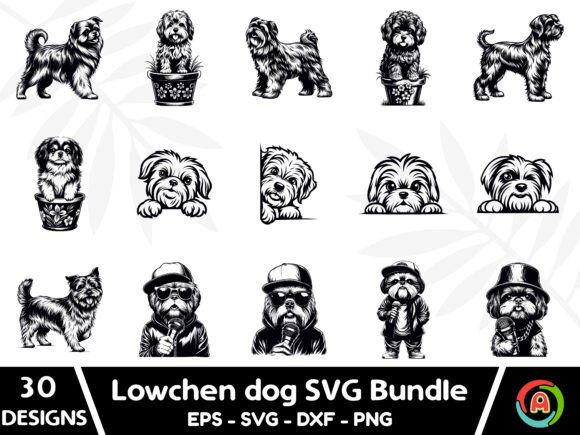
The visual personality of the Lowchen Dog SVG Bundle lands somewhere between elegant and playful. The lines carry a crisp, modern feel that avoids looking cartoonish or overly cutesy, which matters if you're selling to adults who want refined pet portraits or breed-specific gifts. The silhouette work and detail level suggest the original artwork was designed with apparel and decor in mind rather than just screen viewing. The shape has good visual weight, and the layout feels balanced without being too dense. That initial impression tells me this design was built by someone who understands product presentation, not just digital aesthetics. For a Crafts category asset, it already feels a step above generic clip art because it anticipates a finished product outcome.
Real-Life Embroidery Performance: What Works and What Needs Attention
After running a few stitch tests on medium-weight cotton twill and a performance sweatshirt fleece, I can report that the Lowchen Dog SVG Bundle holds up well in real stitching situations. The vector origin gives the file clean edges, which translates to smooth satin stitch outlines and fill stitch sections that don't develop those jagged transitions some raster conversions produce. The adaptable color palette is a genuine asset here. I tried a monochrome version in black thread on a cream tote bag, a three-color variant in warm grays and gold on a navy sweatshirt, and a soft pastel treatment for a baby blanket project. Each version retained the design's character without distorting or losing detail.
One thing to keep in mind is stitch density. Because the design includes some finer internal details, particularly around the facial features and coat texture, you'll want to confirm your embroidery file conversion software handles density mapping well. If you're working with an auto-digitized conversion from the SVG, test a small proof first. I noticed that certain tight corners could become slightly dense if the stitch angle isn't adjusted for your specific machine. That's not a flaw of the bundle itself, just a reality of working with SVG source files for machine embroidery. Running a quick test on scrap fabric with the same stabilizer you'll use on the final product will save you from pulling thread rips later.
Where This Design Shines Brightest
In my experience, the Lowchen Dog SVG Bundle performs best on custom apparel like sweatshirts, t-shirts, and tote bags. The design has enough presence to stand alone as a center chest or bag front piece, and it layers well with text or decorative borders. I also see strong potential for embroidered patches, especially if you're selling breed-specific merchandise at craft fairs or through an Etsy shop. The clean vector lines make patch production straightforward, and the shape lends itself to both iron-on and sew-on formats.
For home decor, consider pillow covers or tea towels where the design can become a conversational accent. Because the Lowchen is a distinctive breed, owners tend to recognize and seek it out, which gives your finished product a built-in emotional hook. Baby embroidery also works nicely here if you scale the design down and choose soft thread colors. The layout doesn't rely on overly complicated fills, so it reads clearly at smaller sizes. For holiday gifts, imagine a set of personalized kitchen towels or a custom embroidered apron featuring the owner's Lowchen. That kind of product sells itself at boutique markets and in Etsy listings because it feels both personal and professionally made.
A Real Project Walkthrough: From File to Finished Tote
Let me walk you through a real project I prepared using the Lowchen Dog SVG Bundle. A customer wanted a custom embroidered tote bag for a friend who owns two Lowchens. I chose a natural cotton canvas tote in cream, partly because the fabric texture holds stitch definition well and partly because the light background lets any thread color pop. I opened the SVG in my vector editing software, adjusted the palette to a warm charcoal and soft cream combination, and exported it as a high-resolution PNG for my digitizing workflow. From there, I converted it to a machine embroidery file, keeping the hoop size to a 5x7 frame so the design sat comfortably on the bag front without crowding the edges.
The stitching went smoothly. I used a medium-weight cutaway stabilizer because canvas has some natural give, and I wanted the design to stay crisp after repeated use. The satin stitch outline tracked cleanly around the Lowchen's profile, and the fill sections filled evenly without gaps. The finished tote looked professional enough to retail for a solid price. The customer was thrilled, and I've since used the same workflow for a sweatshirt embroidery version and a small hoop patch. Each project confirmed that the bundle's vector foundation gives you control over the final outcome in ways that lower-quality files simply don't.
Where to Proceed with Caution
No design is perfect for every surface, and the Lowchen Dog SVG Bundle has some situations where I'd advise extra care. Small hoop sizes, anything under 4x4, can compress the finer facial details to the point where they lose clarity. If you need a tiny version for a cap front or a baby onesie, simplify the design by removing the smallest internal elements or using a running stitch outline instead of a satin stitch. Stretchy fabrics like performance knits or lightweight jersey require a tear-away or cutaway stabilizer with good stabilization, otherwise the stitch density can pull the fabric and distort the lowchen's profile.
Dark fabric backgrounds are another consideration. The design relies on shape recognition, so using a light or bright thread on dark goods works well, but test your color contrast on a sample before committing to a production run. Curved surfaces like caps or rounded pillow forms need careful hoop placement to avoid the design shifting off-center. I also recommend checking the file for any tiny open areas that might become messy stitch transitions when scaled down. These aren't dealbreakers, they're just practical realities that any experienced embroiderer will plan for before pressing start.
Designer Notes Before You Commit Thread to Fabric
Here are the practical steps I run through with every new file, including this bundle, before I stitch it on a customer product. First, test the design on scrap fabric using the same stabilizer and thread type you intend for the final piece. This confirms stitch density, thread tension, and hoop alignment without risking your good fabric. Second, review your thread color choices against both light and dark fabric backgrounds. The adaptable palette of the lowchen design gives you flexibility, but a high-contrast mockup will help you spot areas where the dog's features might blend into the background.
Third, inspect your digitized conversion for any small details that could become problematic in your specific hoop size. If the SVG was originally designed for large format printing, the fine lines might need thickening for embroidery at smaller scales. Fourth, always check your licensing before selling finished items or digital derivatives. The bundle provides EPS, PNG, SVG, and DXF files, which makes it a solid resource for both personal projects and commercial craft business use, but confirm the specific terms for your intended application. For Etsy sellers and small shop owners, this due diligence protects your business and your reputation.
Finally, think about how the design will look in black and white mockups, especially if you're creating printable mockups for your shop listings. The lowchen silhouette holds up well in grayscale, which means your digital product previews will look clean and professional. That consistency across mockups builds customer trust and helps your boutique branding feel cohesive.
The Verdict for Shop Owners and Creative Entrepreneurs
After working with the Lowchen Dog SVG Bundle across several real projects, I can recommend it as a reliable design asset for custom apparel, handmade products, and personalized gifts. It earns its place in the Graphics category because the vector quality and adaptable palette give you control over the final look. For crafters running an Etsy shop, a small boutique, or a craft fair stall, this bundle offers breed-specific appeal that will attract the lowchen owner community without requiring heavy editing on your part.
The design stands up to commercial embroidery demands, reads well on a variety of product surfaces, and retains its visual appeal from digital preview to finished product. If you make a habit of testing your files thoroughly and planning your stabilizer and fabric choices, this bundle will deliver consistent, professional results. Whether you're stitching a custom tote bag, a holiday gift, or a small batch of breed-specific patches, the Lowchen Dog SVG Bundle is a practical addition to your digital embroidery file library.