Barbet Dog SVG Bundle: A Designer's Honest Review
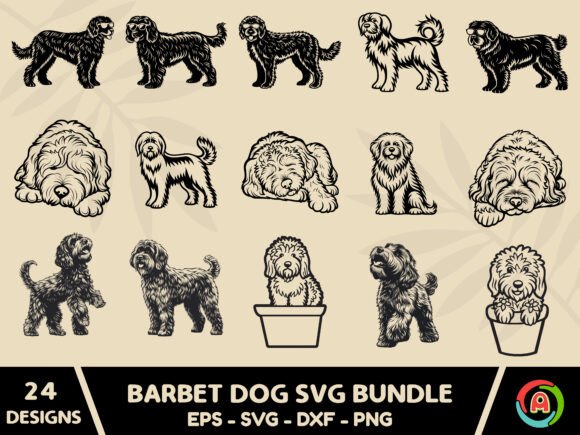
When I first opened the Barbet Dog SVG Bundle, I was curious how this shaggy, water-loving breed would translate into an embroidery project. The Barbet is not a common dog in the design world, so seeing a dedicated bundle was refreshing. The files arrived in EPS, PNG, SVG, and DXF formats, which gave me flexibility from the start. As someone who tests embroidery files before they ever reach a customer's hands, I look for clarity, structure, and stitchability. Here is how this bundle held up under real project conditions.
First Impressions and Design Personality
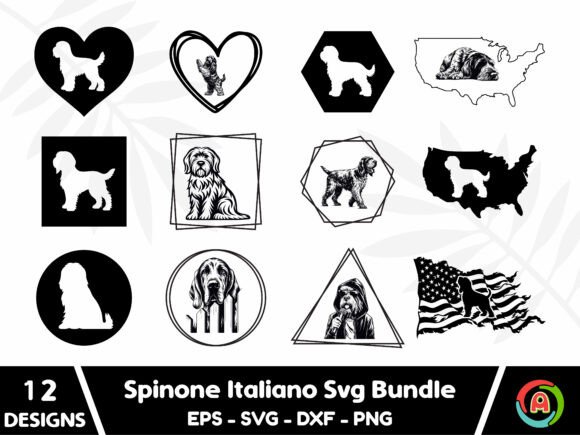
The Barbet has a distinct curly coat and a sturdy, friendly expression. The vector design captures that shaggy texture without making the silhouette too busy. The lines are clean, and the adaptable color palette means you can shift from a warm brown to a deep charcoal or even a cream tone depending on the fabric and thread you have on hand. That flexibility matters when you are working with a limited thread collection or trying to match a customer's brand colors.
The mood of the design is approachable and outdoorsy. It feels like a dog that belongs on a canvas tote bag or a well-worn sweatshirt, not something overly cutesy or generic. For a small business owner or Etsy seller, this design gives you a chance to offer something unique to Barbet owners, a niche that is underserved in most embroidery catalogs. I immediately thought of a custom embroidered tote bag for a dog park meetup or a personalized gift for a Barbet-loving friend.
Real-World Embroidery Performance
I tested the Barbet Dog SVG Bundle on a medium-weight cotton sweatshirt first. The vector-based scalability meant I could resize the design without losing edge sharpness, which is critical when you are hopping between a 4x4 hoop and a 5x7 hoop for different products. The satin stitch areas handled well on stable fabric, and the fill stitch sections laid down evenly without puckering.
On a linen tote bag, the design held its shape nicely. The open areas in the coat detail allowed the fabric to breathe, which reduced thread bunching. I also tried it on a denim apron, and the contrast between the thread and the heavier fabric made the Barbet's outline pop. For an embroidered patch, the design trimmed cleanly, and the edges remained crisp after applying a heat-seal backing.
Where this design really stands out is in commercial embroidery projects. If you are producing multiple units for a boutique or a craft fair, the consistent stitch density across the file saves you time on adjustments. I did not have to manually tweak underlay or pull compensation for most fabric types. That reliability is something I look for before I recommend a file to other crafters.
Where This Design Shines and Where to Be Cautious
This bundle is ideal for custom apparel like sweatshirts, t-shirts, and caps, as well as handmade products such as pillow covers, kitchen towels, and baby blankets. The Barbet's fluffy shape works well on a cap front if you keep the size moderate, but I would avoid placing it on a curved surface like a cap side panel where the stitch angles might distort the coat detail.
For small hoop sizes, such as a 4x4 hoop, you need to be careful with the finer details. The coat texture includes small curves that can become muddled if the design is scaled down too much. I recommend testing on scrap fabric first with your intended thread colors to confirm that the running stitches and satin stitches remain readable. On dark fabric, choose a lighter thread color to preserve the Barbet's facial features, and on thin or stretchy fabric, use a cutaway stabilizer to prevent distortion.
Products that need frequent washing, like baby bibs or tea towels, should use high-quality thread and aしっかりとした stabilizer to keep the design intact. The stitch density is moderate, so it should hold up well, but I always advise my clients to test a wash cycle on a sample before offering the design on high-turnover items.
Practical Notes for Embroidery Designers
Before you load this file into your machine, here are a few steps I recommend based on my testing:
- Test on scrap fabric first. Even with a clean vector file, thread tension and fabric texture can affect the final look. Stitch out a small version to see how the fill stitches behave.
- Check thread color contrast. The Barbet's coat has subtle shading opportunities. Try a dark brown thread on a cream background or a warm gray on a navy sweatshirt. The adaptable color palette in the SVG gives you a starting point, but your thread selection will make the design stand out.
- Review stitch density. The file is well-balanced, but if you are using a very dense fabric or a very loose weave, you may need to adjust the underlay. A medium-weight stabilizer worked well for my tests, but a heavy tear-away or cutaway stabilizer is safer for stretchy fabrics.
- Confirm hoop size. The design fits comfortably in a 5x7 hoop for most applications. If you are using a 4x4 hoop, scale it down carefully and check that the small details, especially around the eyes and muzzle, remain clear.
- Test in black and white mockups. Before stitching, print a black-and-white version of the design to see if the contrast holds. This trick helps me catch areas where the stitch types might blend together too much.
- Compare light and dark fabric backgrounds. The same thread color can look completely different on a white tee versus a black hoodie. Stitch a small sample on both if you plan to offer the design on multiple backgrounds.
- Check licensing before selling. Since this bundle includes EPS, PNG, SVG, and DXF files, confirm whether the license covers commercial use for finished products, digital product sales, or both. If you plan to sell the design as a digital embroidery file, verify that the terms allow that. I always recommend keeping a record of the license for your craft business records.
Product Categories and Practical Fit
This design sits naturally in the Crafts category, especially for handmade products like embroidered patches, custom apparel, and personalized gifts. As a Graphics asset, it works well for printable mockups and digital product previews, which is helpful if you sell on Etsy or at craft fairs. The vector format also makes it easy to incorporate into branding materials, such as a logo for a small shop that specializes in dog-themed merchandise.
For a boutique product line, think about offering the Barbet Dog SVG Bundle on a curated set of items: a tote bag, a sweatshirt, and a ceramic mug with a printable version. The cohesive look builds trust with customers and makes your shop feel intentional. For a holiday gift, the Barbet design works on a cozy blanket or a set of embroidered kitchen towels for a dog owner who has everything.
Final Thoughts for the Craft Business Owner
The Barbet Dog SVG Bundle is a solid addition to any embroidery designer's library. It fills a specific niche with a breed that is not oversaturated in the market, and the file quality is consistent enough for both personal projects and commercial embroidery work. The vector-based scalability and adaptable color palette give you room to experiment, while the clean structure keeps the stitching process predictable.
My advice to any Etsy seller, small shop owner, or hobbyist is to take the time to test this design on your most common fabric types before you list it. Adjust the thread colors to match your brand, and use a proper stabilizer for stretchy or textured fabrics. If you do that, the Barbet design will perform well across a range of products, from baby embroidery to personalized gifts to boutique merchandise.
If you are looking for a way to expand your dog breed offerings without chasing the same popular breeds everyone else is stitching, this bundle is worth your time. It has the charm of a real working dog and the technical clarity that makes embroidery work feel rewarding.