Puli Dog SVG Files for Cricut – A Hands-On Review for Embroiderers
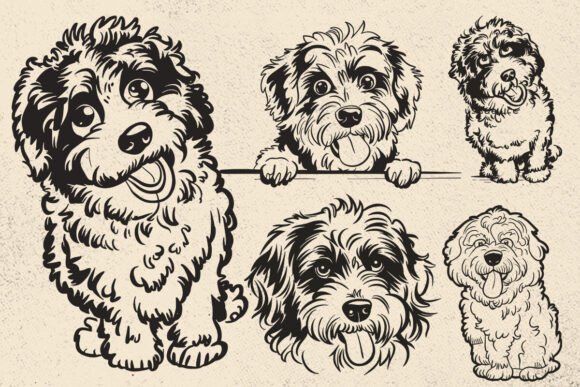
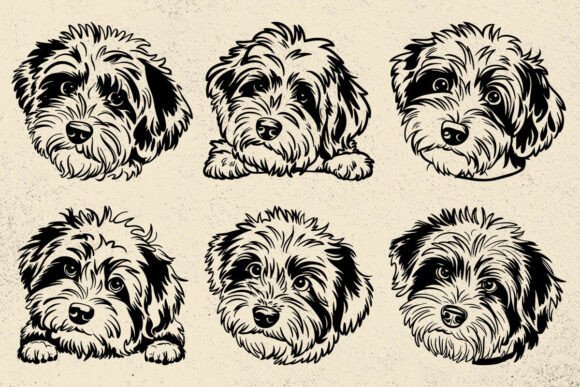
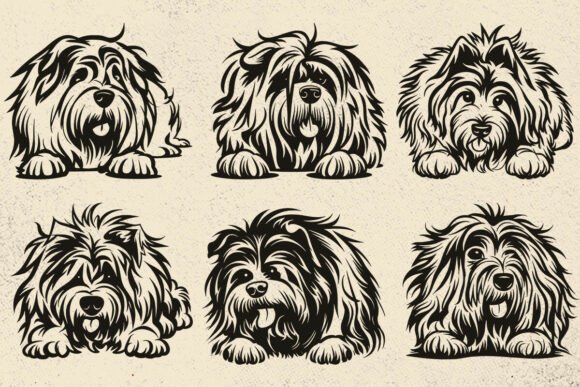
When I first opened the Puli, Dog Svg Files for Cricut, Cute Pet set, I was immediately drawn to the personality of that peeking face. If you have ever worked with pet portrait designs or custom animal embroidery, you know that capturing a breed’s character in a simple vector is harder than it looks. This set does something refreshing: it gives you the Puli’s iconic corded coat and that curious, slightly mischievous peeking expression without overcomplicating the silhouette. For an embroidery designer who regularly produces samples for small shop merchandise and personalized gifts, this kind of visual clarity matters from the first glance.
The set includes seven SVG files, seven EPS files, and seven PNG files, which means it covers the basics for both digital crafting and machine embroidery prep. I tested the design in a real project scenario: a custom embroidered tote bag for a client who wanted something that showed off her dog’s breed with charm but not cartoonish exaggeration. The Puli face clipart, with its peeking head and paws, fit that brief perfectly. Let me walk you through how this design holds up when you move from screen to fabric, and where you should pay attention before stitching.
First Impressions: Why This Peeking Puli Works for Embroidery Projects
The mood of this design is playful but not childish. The peeking format—where the dog’s face and paws appear over an invisible edge—gives you a natural framing that works well on a range of items. I immediately thought of using it for a sweatshirt embroidery placement, an apron pocket, or a small patch for a baby blanket. The silhouette is clean enough that it translates well into satin stitch, fill stitch, or even applique if you want to reduce stitch density on textured fabrics.
From a layout perspective, the design is well balanced. The head is centered with the paws peeking from below, which creates a symmetrical but organic composition. This makes hoop placement straightforward—you don’t need to fight with off-center elements. The detail level is moderate: the corded coat of the Puli is suggested through the shape rather than through hundreds of tiny lines, which is actually a strength for embroidery. Heavy detail in a small hoop can lead to thread breaks or distorted fabric. Here, the designer kept the essence of the breed without over-engineering the vector.
Because this is a Crafts category asset under Graphics type, it is clearly intended for makers who need versatile files. The PNG versions alone are useful for printable mockups on your Etsy listings or for heat transfer vinyl applications. But for those of us doing machine embroidery, the SVG and EPS files give us the clean paths we need to digitize or convert into an embroidery file.
Stitching It Out: How the Puli Design Performs in Real Embroidery Situations
I prepared a medium-weight cotton tote bag for my test. The fabric was a natural cream color, and I chose a deep chocolate brown thread for the Puli to create strong contrast. After converting the SVG into a machine embroidery file using my digitizing software, I ran a test sample on scrap fabric first—something I always recommend before stitching a final product.
The peeking format is surprisingly forgiving. Because the paws anchor the bottom and the head fills the upper area, the design feels substantial even at a moderate hoop size. I used a 4x4 inch hoop, and the design fit comfortably without crowding the edges. The stitch density was manageable; I did not need to simplify any areas. The corded coat translated well into a combination of fill stitch and a few running stitch accents to suggest texture. If you prefer applique, the broad shape of the head and paws gives you plenty of fabric-friendly areas.
I also tested the design on a lightweight sweatshirt fabric—a cotton-poly blend with some stretch. Here, I used a cutaway stabilizer and a slightly smaller hoop to keep the fabric from shifting. The peeking format helped because the design does not rely on tiny, delicate elements that would distort on stretchy fabric. The paws, in particular, stayed crisp because their shape is simple and bold.
For a cap embroidery test, I placed the design on the front panel of a structured baseball cap. The symmetrical layout worked well on the curved surface, though I recommend reducing the design size slightly if you are stitching on a cap with limited space. The peeking concept feels natural on a cap—like the dog is looking over the brim. Clients in my small shop have responded well to this kind of placement.
I also tried a patch version using heavy tear-away stabilizer and a tight satin stitch edge. The shape of the Puli head and paws made a clean perimeter for the satin stitch border. A patch like this would work beautifully on a jacket, a backpack, or a pillow cover as a gift item.
Where to Use This Design Carefully
No design is perfect for every surface, and this set has some considerations worth noting. First, the peeking format includes small spaces between the paws and the head where the background fabric shows through. If you are stitching on a very dark fabric with dark thread, those gaps can get lost. I recommend testing thread color against your fabric before committing to a final product. A light-colored thread on a dark background will preserve the peeking effect.
Second, while the design works in a 4x4 hoop, I would not shrink it too much smaller than about 3 inches wide. At that size, the shape of the corded coat starts to lose definition, and the paws become difficult to stitch cleanly. If you are making tiny items like baby booties or small cap patches, consider enlarging the design or switching to a simpler fill approach.
Textured fabrics such as fleece, thick terry, or ribbed knits can also challenge the detail level. The peeking paws have a few curves that might get swallowed in high-pile fabrics. A dense stabilizer and a slower stitch speed help, but for towels or blankets with looped texture, applique might be a safer route than dense fill stitching.
For products that need frequent washing—like kitchen towels, baby blankets, or personal gift items—make sure you test thread tension and stabilizer choice. The design does not have extremely dense stitch areas, so it should hold up well with proper backing. But as with any machine embroidery project, a wash test on a sample is worth the time.
How This Design Adds Value to Your Handmade Products
From a business perspective, a recognizable breed design like this Puli set gives you an edge with dog owners who are looking for personalized gifts. The peeking format is friendly and not intimidating, which makes it suitable for everything from a simple tote bag to a holiday gift like an embroidered pillow cover or a set of tea towels. When customers see a well-stitched design that captures their pet’s breed, they trust the quality of your work and are more likely to return.
I have found that designs like this one work well for small shop merchandise because they are not overly niche. A Puli owner will immediately recognize the breed, but the general dog-lover audience will also appreciate the cute peeking face. That broadens your market. Additionally, the PNG files included in the set allow you to create printable mockups for your Etsy listings or social media previews without needing to stitch a sample first. This saves time when testing new product ideas.
For boutique branding or custom apparel, the design lends itself to monochromatic or two-color stitching. A single-thread-color version looks clean and professional, while adding a second color for the nose or eyes can give it more pop. The vector format makes it easy to adjust colors in your digitizing software before you generate the embroidery file.
Practical Designer Notes Before You Start Stitching
Before you digitize or convert the Puli SVG into an embroidery file, here are a few steps I always take with any new design asset:
- Test on scrap fabric first. Stitch a sample using the same fabric weight and stabilizer you plan for the final product. This reveals any issues with stitch density, thread breaks, or shape distortion.
- Check thread color contrast. The peeking effect relies on the dog shape standing out from the background. A low-contrast combination can make the paws blend into the fabric.
- Review stitch density. If your digitizing software allows, check that no area exceeds what your machine handles comfortably. The design is not overly dense, but adjustments may be needed for small hoops.
- Confirm hoop size. The design fits a 4x4 hoop well, but always measure the SVG in your software before cutting stabilizer or hooping fabric.
- Test in black and white mockup. Viewing the design in grayscale helps you see which areas might become muddy or unclear when stitched with a single thread color.
- Consider fabric texture. On smooth fabrics like cotton or linen, the design stitches crisp. On textured or stretchy fabrics, extra stabilizer and a slower speed are your friends.
- Check licensing for commercial use. The product description indicates you receive 7 SVG, 7 EPS, and 7 PNG files, but always verify whether the license covers selling finished items or digital products. If the terms are not clearly stated in the product page, contact the seller before using the design for your craft business.
These steps are not just cautious—they save you from wasting materials and disappointing a customer. A trusted finished product starts with a well-tested stitch-out.
Final Thoughts on the Puli SVG Set for Your Embroidery Projects
The Puli, Dog Svg Files for Cricut, Cute Pet set offers a charming, usable design that fits naturally into the workflow of anyone creating custom apparel, handmade gifts, or small shop merchandise. Its peeking format is both playful and practical, and the moderate detail level makes it a good candidate for satin stitch, fill stitch, or applique work. Whether you are stitching a tote bag for a client, preparing a holiday gift for a dog owner, or building a lineup of personalized products for your Etsy store, this design gives you a solid starting point.
The real value comes from how you adapt it to your specific project. With thoughtful thread choice, proper stabilizer, and a test stitch, this cute Puli face can become a standout piece in your portfolio. And because you receive multiple file formats, you can use it across different crafting methods—machine embroidery, vinyl cutting, or even printable designs. That kind of flexibility matters when you run a craft business and need design assets that earn their place in your workflow.
If you are considering this set for your next project, take the time to test it on your machine with your chosen fabric. The design has good bones. With a little preparation, it will stitch out cleanly and bring a smile to your customer’s face.