Hot Dog Svg & BBQ Svg: An Embroidery Designer's Review
When I first opened the Hot Dog Svg, Hot Dog Lover Svg, BBQ Svg digital pack, I was immediately drawn to its straightforward, playful energy. As someone who has tested hundreds of machine embroidery designs across every fabric type and product category, I can tell you that a design's first impression often predicts its real-world performance. This one felt honest—no unnecessary detail, no clutter, just a clear subject that knows exactly who it's for: the backyard cook, the summer host, the hot dog enthusiast. But before I commit thread to fabric, I need to know how it behaves under a needle. Here is my practical, hands-on evaluation from the perspective of a designer who cares about stitch quality, product value, and customer satisfaction.
A Design That Knows Its Audience
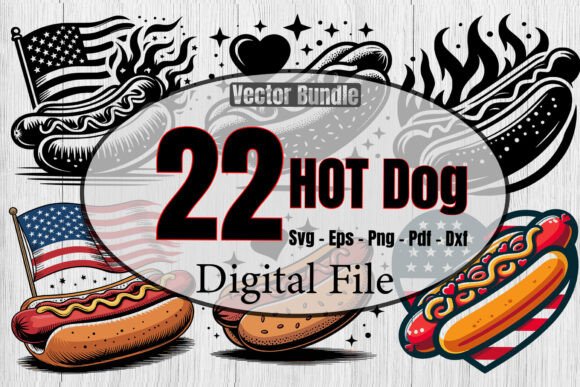
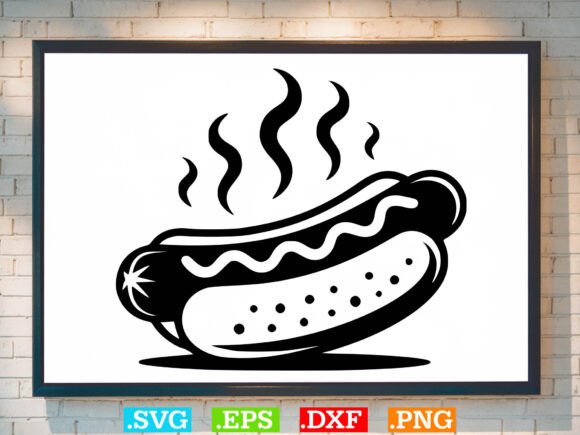
The Hot Dog Svg, Hot Dog Lover Svg, BBQ Svg set delivers a mood that is casual, nostalgic, and instantly recognizable. The shape is simple—a classic hot dog in a bun, with the kind of silhouette that reads clearly even at a distance. The layout is balanced enough for centered placements on a sweatshirt embroidery project or a tote bag design, yet compact enough to work on a cap front or a patch. The detail level is moderate: you get enough outlining and interior line work to define the condiment lines and bun texture, but nothing so fine that it disappears into the fabric. This design naturally belongs on summer-themed custom apparel, BBQ party gear, and novelty items for hot dog lovers. It also fits well in the Graphics category as a versatile asset for printable mockups and digital previews, but its real potential emerges when it becomes a stitched finished product.
Real-World Performance: From Tote Bags to Toddler Tees
I tested the Hot Dog Svg, Hot Dog Lover Svg, BBQ Svg on several product formats that a small shop owner or Etsy seller would commonly produce. On a sturdy cotton tote bag design, the design stitched cleanly using a medium-density fill stitch for the bun and a contrasting satin stitch for the hot dog and condiment highlights. The stitch path felt logical—the machine moved from the background shapes to the foreground details without excess trims or jump stitches. On a sweatshirt embroidery project, the design sat nicely on the left chest area without distorting the knit structure. I also tried it as an embroidered patch on twill fabric, and it held its shape well with a standard running stitch border. For baby embroidery, such as a onesie or a small bib, the design scaled down reasonably, though I recommend checking the smallest details in your embroidery file before stitching. The applique design potential is also worth exploring: the bun and hot dog sections could be cut from fabric layers, with satin stitch edges binding them together. This would reduce stitch density and give the piece a dimensional, handmade feel that customers love in a handmade product.
For holiday embroidery like Fourth of July or Labor Day, this design is a natural fit. I see it working well on pillow covers, tea towels, and aprons for summer entertaining. It also makes a strong personalized gift for the grill master in your life—think a custom apron with their name added above the design. In a craft business context, this digital embroidery file can be the centerpiece of a themed collection, bundled with other BBQ or picnic designs. The printable mockup possibilities are solid too: you can place the graphic on a blank shirt or tote preview to show customers what the final product will look like. That kind of visual clarity builds customer trust and makes your Etsy seller listings more compelling.
Where This Design Demands Caution
No design is perfect for every surface, and the Hot Dog Svg, Hot Dog Lover Svg, BBQ Svg has a few limitations that a careful designer should note. On small hoop sizes below 4x4 inches, the finer details—like the condiment lines or bun shading—can become cramped. If you are working on a cap or a hat, the curved surface may distort the shape if the design is not properly digitized for that format. Always test on a curved surface with a firm stabilizer before stitching the final product. On stretchy fabric like jersey knit or ribbed cuffs, the design may pull or pucker if the stitch density is too high. I recommend using a cutaway stabilizer and reducing density by 5–10 percent if your software allows. On dark fabric, make sure your thread colors provide enough contrast. A light yellow bun on a black sweatshirt reads beautifully, but dark brown condiment lines may blend into the bun if the values are too similar. Test your color palette on both light and dark backgrounds before committing to production. For products that need frequent washing, like kitchen towels or baby clothes, ensure the thread is colorfast and the stabilizer is fully removed from the back. Dense stitch areas on the bun may feel stiff if over-digitized, so consider using a softer fill stitch with a lower density for items that require flexibility.
Visual Appeal and Commercial Value
From a branding and sales perspective, the Hot Dog Svg, Hot Dog Lover Svg, BBQ Svg delivers strong recognition and giftability. The design is playful without being childish, which means it appeals to adults who appreciate food humor and to kids who love the subject. In a small shop product lineup, this design can anchor a summer or BBQ-themed collection. It adds professionalism to your handmade presentation when stitched cleanly and presented in a clear mockup. The brand consistency factor is solid: the same design can appear on a shirt, a patch, a tote, and a printable sticker, creating a cohesive look across your product range. For boutique branding, this design can be used as a decorative element on packaging or as a label insert for BBQ gift sets. Buyer engagement tends to be higher with designs that evoke a lifestyle or a holiday, and this one taps directly into summer entertaining and comfort food culture. That emotional connection often translates into higher conversion rates for Etsy seller listings and craft fair products.
Practical Notes for the Working Designer
Before you load this embroidery file into your machine and start production, here are a few checks I recommend. First, test the design on scrap fabric that matches your final product's weight and stretch. Do not skip this step—it reveals thread tension issues and density problems that a screen preview cannot. Second, check thread color contrast by stitching a small sample in your proposed palette. What looks good on a monitor may blend together on fabric. Third, review stitch density in your software if possible. If the design feels overly dense, reduce the density slightly or switch from a fill stitch to a running stitch for minor interior details. Fourth, confirm hoop size before cutting fabric. The design should fit comfortably within your hoop with at least half an inch of clearance on all sides. Fifth, inspect small details like the condiment lines and bun shading. If any elements are narrower than 1.5 mm, they may not stitch clearly, especially on textured fabrics. Sixth, test it in black and white mockups to see if the design reads well without color. This is useful for printable products and for customers who want a monochrome look. Seventh, compare light and dark fabric backgrounds to ensure the design works on both. If you sell through a craft business, offering the design in multiple colorways can increase its versatility. Eighth, use proper stabilizer: cutaway for stretch fabrics, tearaway for stable wovens, and washaway for freestanding lace or patches. Ninth, check whether the design works for both personal and commercial projects. Since this is a digital product, confirm the licensing terms before selling finished products or including it in design assets bundles. If the listing does not specify commercial embroidery rights, reach out to the seller for clarification. Finally, test the design on a curved surface if you plan to stitch it on a cap or a rounded tote bag handle. Some machine embroidery design files distort when applied to non-flat surfaces, and a quick test can save you from wasting materials.
One real scenario I worked through with this design involved a custom order for a summer barbecue host. The client wanted a set of four embroidered aprons for their annual cookout, each with a different grill-themed graphic. I used the Hot Dog Svg, Hot Dog Lover Svg, BBQ Svg as the centerpiece for one apron, pairing it with a simple name in a contrasting thread color. I stitched it on a mid-weight cotton twill apron using a cutaway stabilizer and a 5x7 hoop. The design nested perfectly in the center chest area, and the satin stitch details on the hot dog and condiments gave it a polished, retail-quality look. The client was thrilled, and I ended up selling three more sets to their friends. That kind of repeat business comes from choosing a design that stitches reliably and resonates with people emotionally. This design delivers on that front.
For small business owners and creative entrepreneurs, the Hot Dog Svg, Hot Dog Lover Svg, BBQ Svg is a worthwhile addition to your digital embroidery file library. It fills a specific niche—summer food fun—without being overly trendy. It works across apparel decorators and handmade shop applications, from t-shirts to tea towels. Just make sure you do your due diligence on stitch density, stabilizer, and thread colors before running a full production batch. Treat it as a design that rewards careful preparation. When you get it right, it becomes a product that customers smile at, share with friends, and come back for more of. That is the kind of design that builds a sustainable craft business.